Navigating the Asphalt Lifecycle: From Installation to Renewal May 23, 2026
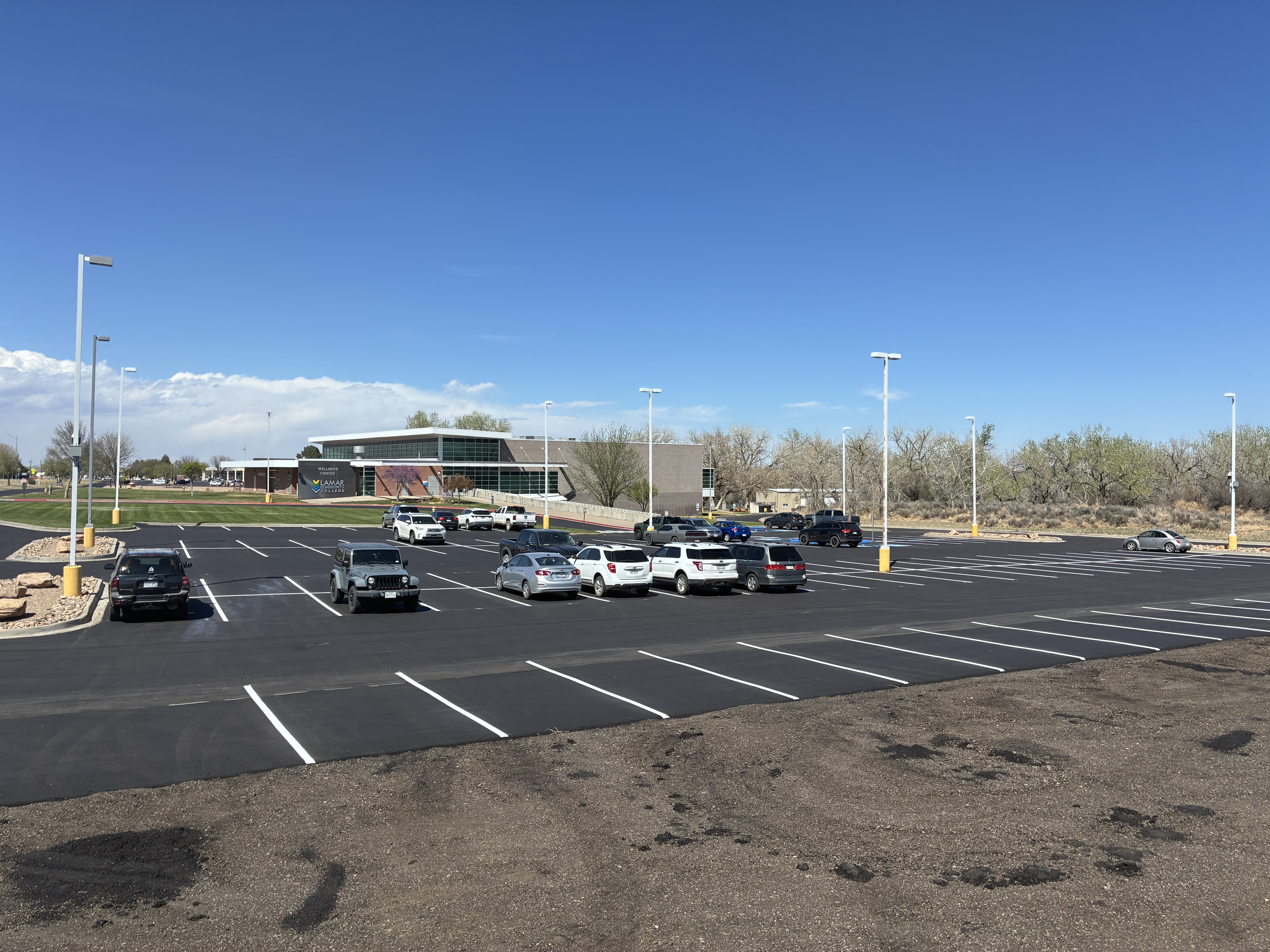
The journey begins with proper installation. Choosing a reputable company like Cornejo Materials and Asphalt ensures that the foundation is laid correctly. A sturdy base is critical for durability. The installation involves laying an aggregate base, applying the asphalt mix, and compacting it to achieve a smooth, even surface. Proper installation not only enhances the strength of the pavement but also improves the safety and appearance of the property.
Once installed, regular maintenance becomes key to prolonging the lifespan of your asphalt. Preventive measures such as sealcoating and crack filling are vital. Sealcoating acts as a protective layer, shielding the asphalt from harsh weather conditions and UV rays, while crack filling prevents water infiltration that can lead to potholes and other damages. Scheduling these maintenance tasks at regular intervals can significantly extend the pavement's lifecycle.
Over time, despite regular maintenance, wear and tear will occur. Cracks, fading, and rough patches are common signs that your asphalt needs attention. Instead of allowing these issues to worsen, early intervention can save money and time. An overlay might be an effective solution. This process involves applying a new layer of asphalt over the existing surface, providing a refreshed look and improved function. Not only does this address surface-level issues, but it also enhances the structural integrity of the pavement.
In situations where the damage is extensive, a more comprehensive renewal process, known as milling and resurfacing, may be necessary. This process involves removing the top layer of asphalt and replacing it with fresh material. It is more cost-effective and environmentally friendly than a complete replacement, as it retains the existing base while providing a new surface. This method is ideal for pavements with severe degradation but a stable sub-base.
Eventually, even with the best care, asphalt will reach the end of its operational life. At this stage, replacing the pavement might be the most appropriate course of action. This involves removing the old asphalt, evaluating the foundation, and constructing a new surface from scratch. While more expensive, this option ensures that the new installation will meet current standards and demands, providing a long-lasting solution.
Navigating the asphalt lifecycle effectively requires an understanding of each phase, from installation through regular maintenance to potential renewal or replacement. By staying informed and proactive, property owners can maximize their pavement's durability, ensuring safe and appealing surfaces. Cornejo Materials and Asphalt offers expertise and quality service at every stage, helping clients make informed decisions that protect their investments. As you consider your asphalt needs, remember that timely interventions can prevent costly repairs and extend the life of your pavement, keeping your property in top condition for years to come.
/filters:no_upscale()/filters:format(webp)/media/8c72374e-2dda-4515-94c8-71114dd9c2b0.jpeg)
/filters:no_upscale()/filters:format(webp)/media/ad09e73a-7316-43da-8fd3-18d7f1fdffea.jpeg)