Enhancing Urban Infrastructure: Why Asphalt Is the Backbone of Modern Cities Feb 14, 2026
The significance of asphalt in urban development cannot be overstated. Asphalt pavements are not only prevalent due to their durability and versatility but also for their economic efficiency. Asphalt is an ideal material for constructing smooth and durable road surfaces, ensuring a seamless driving experience while minimizing wear and tear on vehicles. This is crucial in bustling urban environments where high traffic volumes are a daily occurrence. Moreover, the flexibility of asphalt allows it to accommodate weather-related expansions and contractions without compromising its structural integrity.
Beyond functionality, the environmental advantages of asphalt also position it as a sustainable choice for urban infrastructure projects. Asphalt is 100% recyclable, which means it can be reused in various applications without losing its core properties. This characteristic not only reduces waste but also curtails the need for new materials, thereby conserving natural resources and lessening the environmental footprint of construction activities. As cities strive to adopt greener practices, the use of asphalt aligns with the environmental goals of reducing carbon emissions and supporting recycled materials.
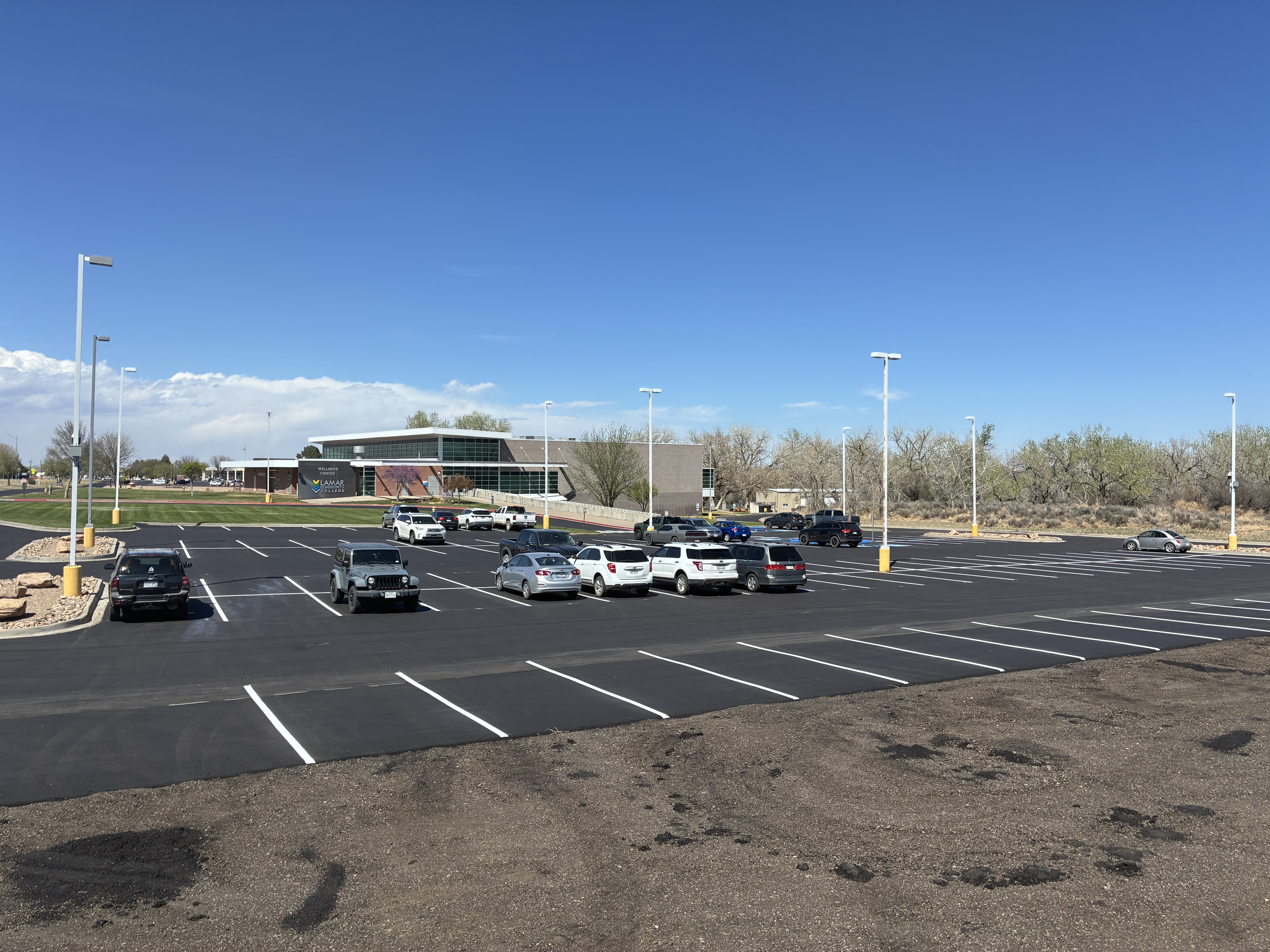
Various urban infrastructure components benefit from asphalt's attributes, ranging from highways and streets to parking lots and bike paths. Each of these applications plays a vital role in ensuring efficient transportation and enhancing the quality of life for city dwellers. For instance, highways and roads paved with asphalt facilitate smooth traffic flow and improved safety. At the same time, bike paths and pedestrian walkways encourage healthier, more active lifestyles while promoting eco-friendly commuting options.
One cannot overlook the role of maintenance in preserving the longevity and performance of asphalt surfaces. Regular upkeep not only extends the lifespan of these pavements but also improves safety and aesthetics. This is where experts like Cornejo Materials and Asphalt step in, offering specialized asphalt and paving services to address cracks, potholes, and other surface issues. Their expertise ensures that urban infrastructure remains in optimal condition, providing a stable and safe environment for all users.
As cities continue to expand and evolve, the demand for reliable and efficient infrastructure grows exponentially. Asphalt's prominence in this domain is unarguable, given its myriad advantages. From economic benefits and environmental stewardship to practical applications and maintenance ease, asphalt is undeniably the backbone of modern cities. Companies like Cornejo Materials and Asphalt are essential contributors to this mission, ensuring that urban environments are not only functional but also sustainable and resilient.
In conclusion, the role of asphalt in modern urban infrastructure extends beyond mere construction material. It embodies a strategic choice that combines cost-effectiveness, sustainability, and robust performance, all of which are critical to the dynamic urban landscapes of today and tomorrow. By choosing asphalt, cities are investing in a future that upholds their growth ambitions while respecting environmental imperatives, thereby setting a standard for infrastructure development that aligns with the needs of our times.
/filters:no_upscale()/filters:format(webp)/media/8c72374e-2dda-4515-94c8-71114dd9c2b0.jpeg)
/filters:no_upscale()/filters:format(webp)/media/ad09e73a-7316-43da-8fd3-18d7f1fdffea.jpeg)