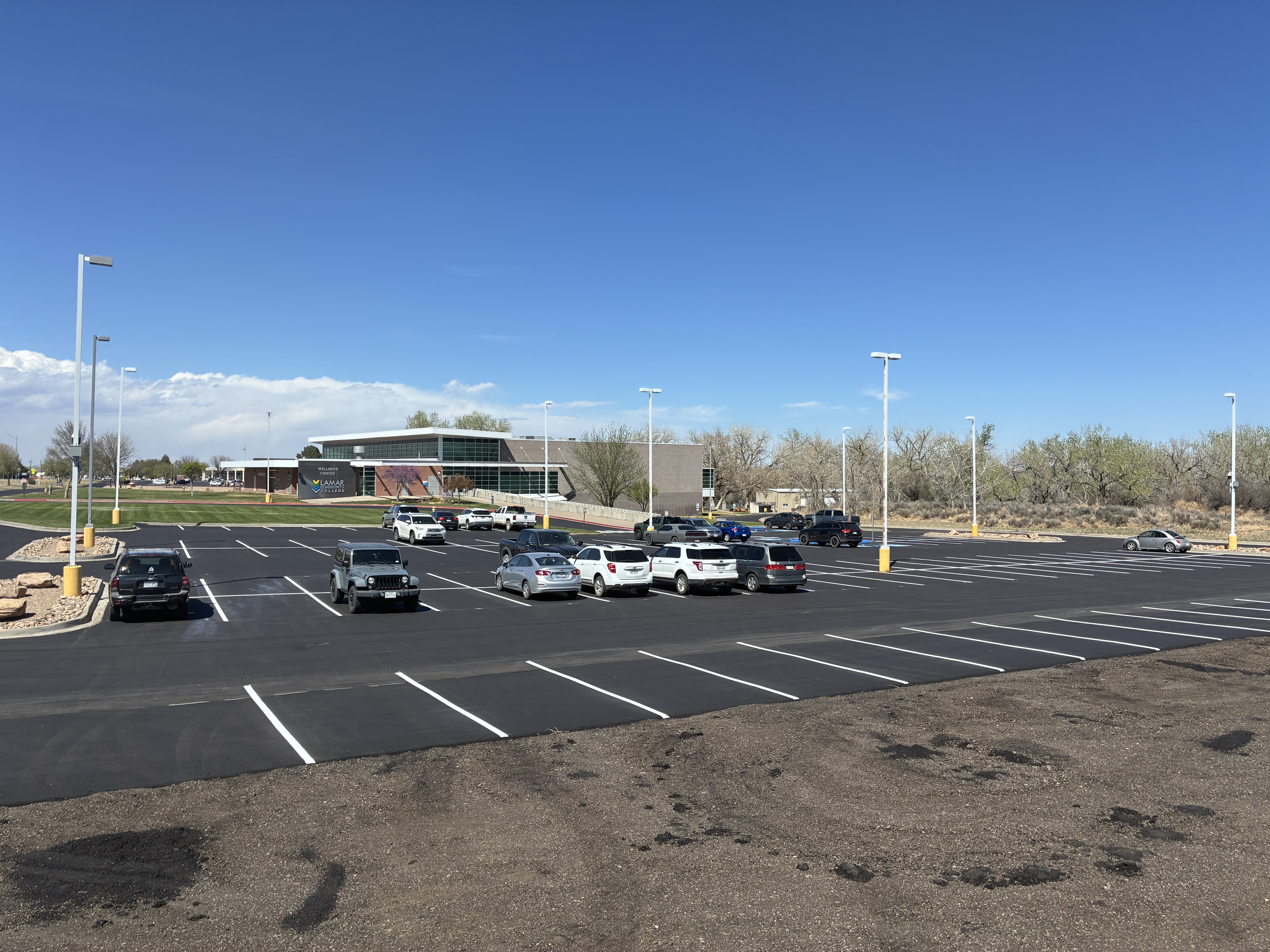
Community First: How Asphalt Paving Improves Public Spaces and Accessibility Apr 11, 2026
When you walk through a park, drive on a newly paved road, or ride on a smooth bike path, the impact of asphalt paving is immediately apparent. The durability and versatility of asphalt make it an ideal choice for various applications in public spaces. Its adaptability means it can be used in a wide range of environments, from urban centers to rural areas, always providing a safe and reliable surface. Moreover, asphalt paving enhances the visual appeal of an area, contributing to the overall aesthetic value, and making spaces more inviting and pleasant for community members and visitors alike.
Accessibility is a core concern for communities, ensuring all individuals, regardless of mobility challenges, can navigate public spaces with confidence and ease. Asphalt paving plays a critical role in this by offering a smooth and level surface that accommodates wheelchairs, strollers, bicycles, and pedestrians. With well-maintained pathways and roads made from asphalt, communities can reduce barriers and foster inclusivity.
Beyond physical accessibility, the economic impact should also be considered. High-quality asphalt paving can significantly reduce maintenance costs due to its durability and resistance to harsh weather conditions. This cost efficiency translates to longer-lasting roads and walkways, decreasing the frequency of repairs and allowing municipalities to allocate their budgets towards other community-enhancing projects. By extending the lifespan of these crucial infrastructures, communities can save on resources while providing enduring benefits.
Environmental sustainability is another advantage of using asphalt in public spaces. Asphalt is highly recyclable, ensuring that materials can be reused in new paving projects, thereby reducing the environmental footprint. Additionally, asphalt paving reduces the urban heat island effect by providing a cooler surface compared to older, dense materials. Communities benefit from improved air quality and temperature regulation, making the area more comfortable for residents.
Community involvement is crucial in the planning and execution stages of paving projects. Cornejo Materials and Asphalt takes pride in engaging with local stakeholders to understand their unique needs and preferences. Whether it’s designing a new park pathway or upgrading a city street, involving the community ensures that the paving projects reflect the needs and aspirations of the people they serve. This collaboration fosters a sense of ownership and pride among residents, who are more likely to take care of the spaces they feel connected to.
In summary, asphalt paving is a pivotal element in developing public spaces that are accessible, sustainable, and economically viable. By prioritizing community-first approaches and understanding the multifaceted benefits of asphalt paving, Cornejo Materials and Asphalt aims to create thriving environments that support vibrant communities. When public spaces are thoughtfully designed and executed, the entire community reaps the benefits, enhancing everyday life for all.
/filters:no_upscale()/filters:format(webp)/media/8c72374e-2dda-4515-94c8-71114dd9c2b0.jpeg)
/filters:no_upscale()/filters:format(webp)/media/ad09e73a-7316-43da-8fd3-18d7f1fdffea.jpeg)