Beyond Blacktop: Creative Uses of Asphalt in Modern Architecture May 09, 2026
Asphalt has come a long way since its initial use in road construction. With its durability, affordability, and ease of maintenance, it's no wonder architects and designers are incorporating it into their projects in more imaginative ways. One of the most intriguing applications is in urban landscaping, where asphalt creates modern, sleek, and sustainable designs. Due to its flexible nature, asphalt can be molded into dynamic shapes, creating eye-catching patterns and decorative walkways in urban parks and plazas.
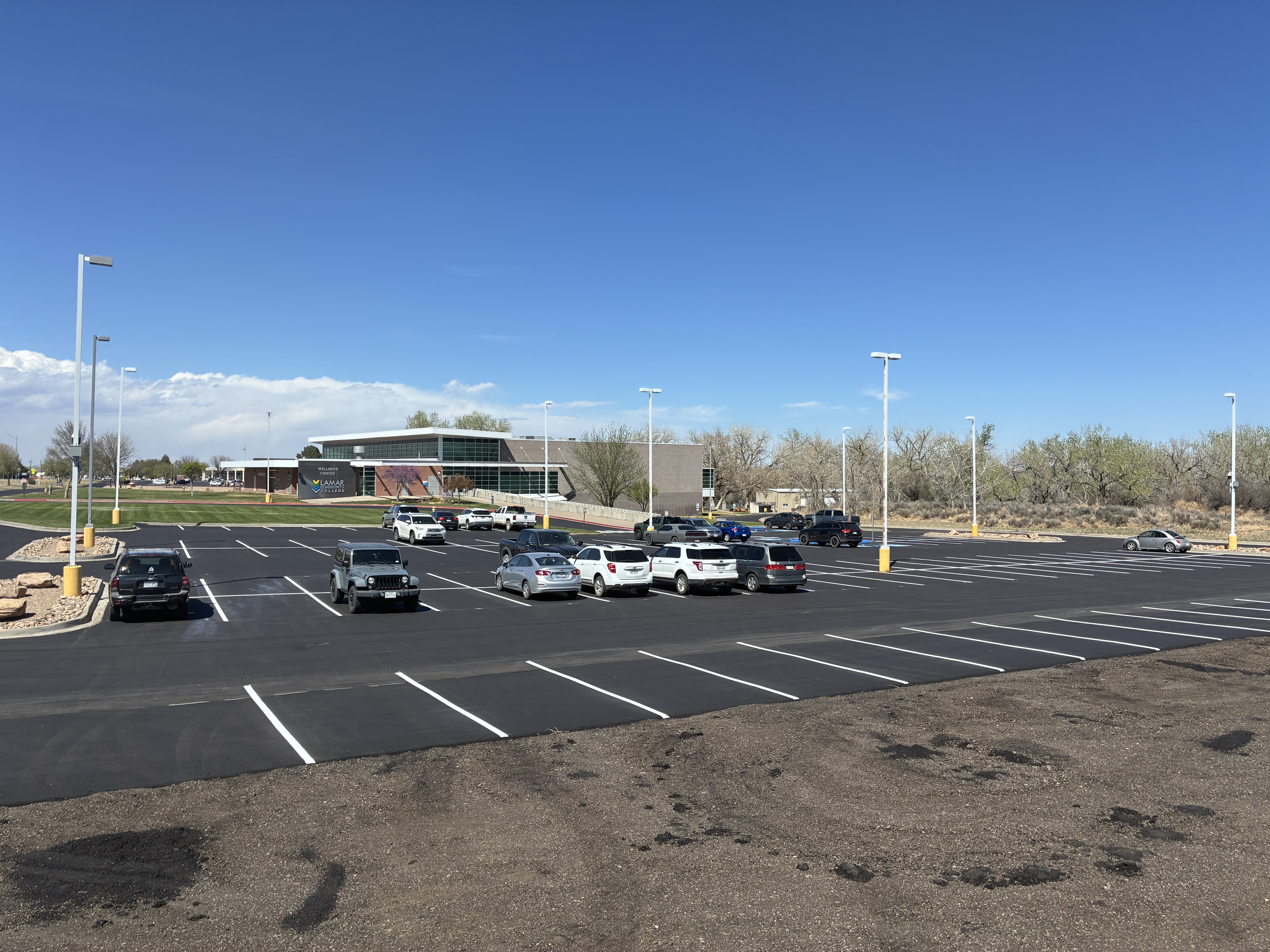
Another emerging trend is the use of colored asphalt, which offers an aesthetic appeal that traditional black asphalt cannot match. Available in a range of hues, colored asphalt adds a vibrant touch to pedestrian paths, bike lanes, and parking lots, enhancing both the functionality and visual interest of public spaces. This color diversity allows areas to be easily segmented visually, contributing to improved safety and navigation.
The application of asphalt in artistic installations is transforming public art. Asphalt's texture and adaptability make it an ideal canvas for artists and architects alike. From sculptural forms to intricate graffiti-inspired designs, the material holds its ground as a medium that can withstand the elements while offering a unique aesthetic. This not only makes cities more beautiful but also opens up new possibilities for community engagement and cultural expression.
Asphalt is also making its way into sustainable architecture initiatives. Asphalt paving can contribute to the sustainability of a building project through its ability to reflect solar energy. Some innovative designs incorporate porous asphalt as a means of stormwater management, reducing surface runoff and promoting groundwater recharge. This application helps mitigate urban flooding concerns while providing a functional surface for light traffic.
In addition to these environmental benefits, the recycling capabilities of asphalt are immense. Cornejo Materials and Asphalt emphasizes the importance of recycling as asphalt is highly recyclable, often reused in road repairs and new paving projects. This reduces the demand for new raw materials, minimizes waste, and contributes to sustainable building practices.
In educational spaces, asphalt is being used to create outdoor learning environments. Schoolyards are transforming with asphalt that includes chalkboard-style surfaces, hopscotch lines, and mathematical games embedded into the material, making play areas both fun and educational. This adaptable use supports interactive learning while maintaining durability and safety standards.
As our understanding of materials evolves, so do the possibilities for how we use them. Asphalt, far from being limited to roads, is now a central component in the developing landscape of urban design and architecture. Cornejo Materials and Asphalt stands ready to assist with projects that require a forward-thinking approach, ensuring quality and creativity in every application.
Ultimately, asphalt's role in modern architecture underscores a shift towards materials that offer both functionality and visual appeal. Whether through innovative urban landscapes, sustainable design initiatives, or artistic public spaces, asphalt's potential is only beginning to be tapped, setting the stage for a future where creativity and practicality go hand in hand. As we look to tomorrow’s architectural advancements, it's clear that asphalt will continue to pave the way in more ways than one.
/filters:no_upscale()/filters:format(webp)/media/8c72374e-2dda-4515-94c8-71114dd9c2b0.jpeg)
/filters:no_upscale()/filters:format(webp)/media/ad09e73a-7316-43da-8fd3-18d7f1fdffea.jpeg)