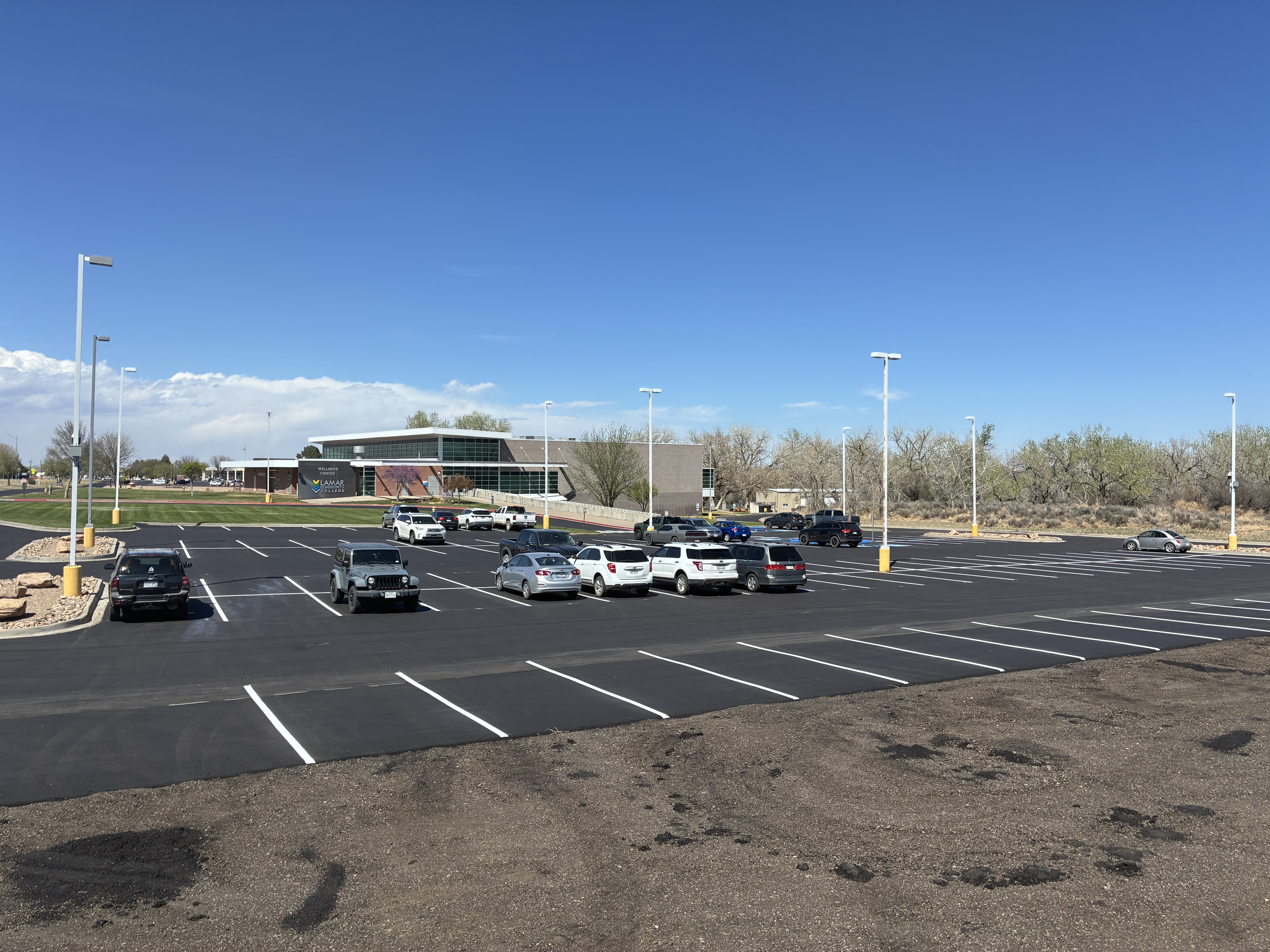
Advancements in Asphalt Recycling: Revolutionizing Urban Waste Management Jul 01, 2026
The process of asphalt recycling is transforming how we view asphalt pavements, traditionally considered one of the most challenging types of construction debris. By employing cutting-edge technology and innovative approaches, recycled asphalt pavement (RAP) is not only reused but often performs better than new materials. This process begins with removing the existing asphalt streets, usually through a method known as milling. The extracted material is then crushed and screened to the required size, ready to be combined with new paving mixes.
One of the greatest benefits of asphalt recycling is its environmental impact. Asphalt pavements are America's most recycled product, significantly reducing landfill use and the need for producing new asphalt materials. By recycling, we conserve natural resources such as aggregates and binder, decrease energy consumption, and lower emissions compared to manufacturing new asphalt. This closed-loop system aligns with our commitment at Cornejo Materials and Asphalt to provide sustainable paving solutions that reduce environmental footprint.
Cost efficiency is another major advantage of asphalt recycling that cannot be overlooked. Recycled asphalt allows municipalities and companies to stretch their budgets further, paving more roads for less money. The cost of recycled asphalt is significantly lower because it requires fewer raw materials and less processing energy. Furthermore, utilizing RAP in new projects can reduce the dependency on foreign oil supplies since it decreases the need for new liquid asphalt, which is a petroleum byproduct.
Technological advancements have been key in driving the quality and performance of recycled asphalt. Innovations such as warm mix asphalt technology allow for more efficient processing and performance improvements, ensuring recycled asphalt can meet the highest industry standards. This technology decreases the required temperature during production and paving, improving the work environment for construction crews and further decreasing emissions.
Urban areas, burdened with heavy traffic and the constant demand for road improvements, particularly stand to benefit from asphalt recycling. With the ability to quickly and effectively restore roads, cities can improve infrastructure durability and driving conditions without the lengthy delays typically associated with road construction. Faster project turnarounds mean less inconvenience for commuters and reduced economic disruptions.
At Cornejo Materials and Asphalt, we believe that embracing asphalt recycling is not merely an option but a necessity for urban development in the modern age. Our dedicated team continually explores innovative ways to improve recycled asphalt's quality, ensuring we provide solutions that are both practical and eco-friendly.
In conclusion, asphalt recycling represents a significant advancement in urban waste management, offering undeniable environmental and economic benefits. By adopting these practices, we can take a vital step toward more sustainable urban development, meeting the needs of today while safeguarding resources for future generations. Join us at Cornejo Materials and Asphalt in embracing a more sustainable future with asphalt recycling. Our combined efforts will pave the way for efficient, cost-effective, and environmentally friendly urban infrastructure.
/filters:no_upscale()/filters:format(webp)/media/8c72374e-2dda-4515-94c8-71114dd9c2b0.jpeg)
/filters:no_upscale()/filters:format(webp)/media/ad09e73a-7316-43da-8fd3-18d7f1fdffea.jpeg)